New Year in Lhasa: A City That Hides Warmth Inside Winter

Winter in Lhasa feels transparent. The sunlight is sharp and bright, flashing off stone walls, eaves, and prayer wheels until you have to squint. The wind, however, is thin as a blade—brushing past your skin and reminding you of the altitude, the dryness, the cold that settles in at night. And precisely because it’s cold, the New Year here feels more real—like you’re carrying a small flame close to your chest, and wherever you go, something quietly brightens.

In Lhasa, New Year doesn’t arrive with a grand announcement. It seeps in as warmth: steam at the mouth of an alley, a soft yellow glow escaping from a doorway, an unremarkable greeting that suddenly feels like a blessing.

The New Year Starts to Stir on Barkhor Street

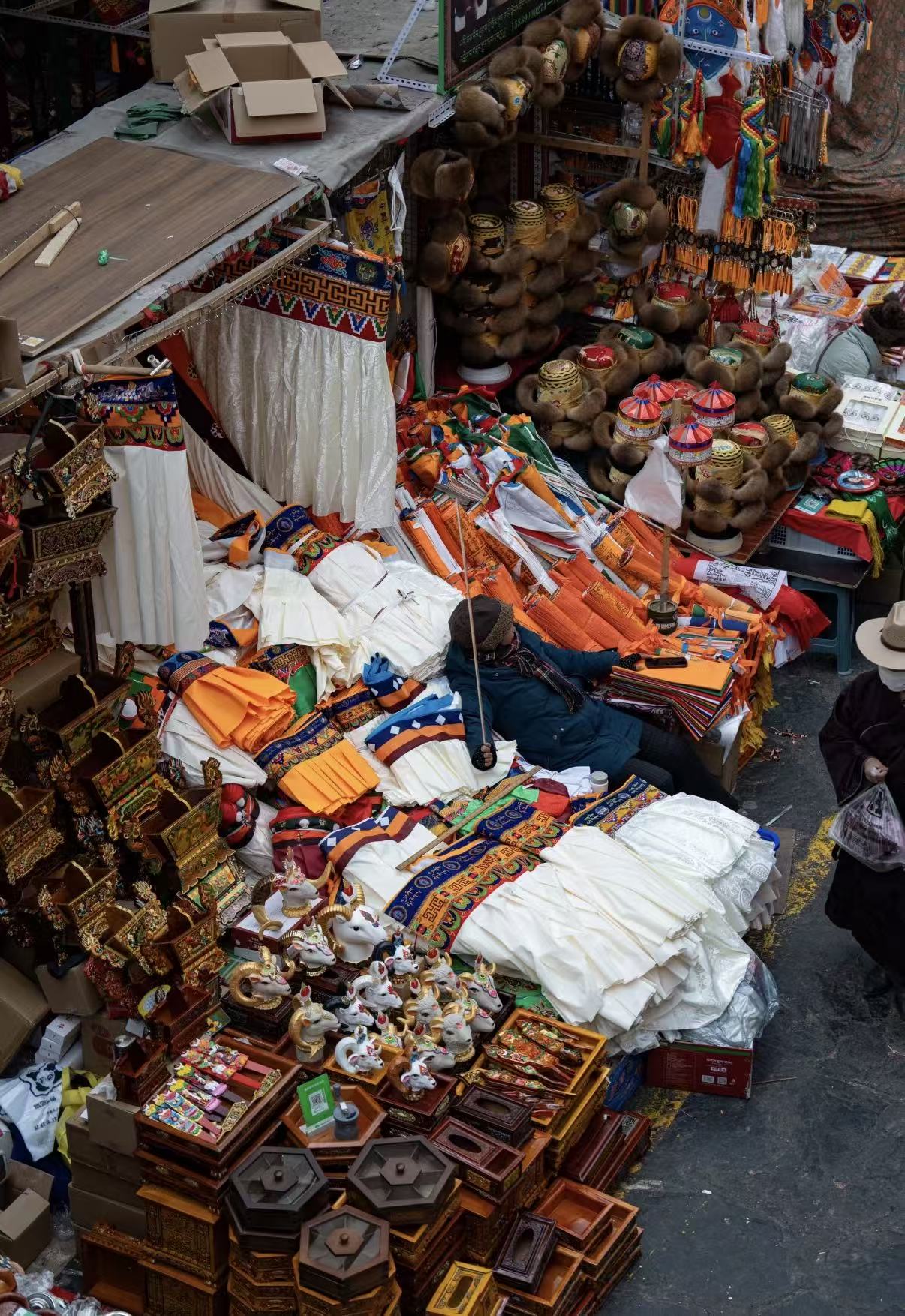
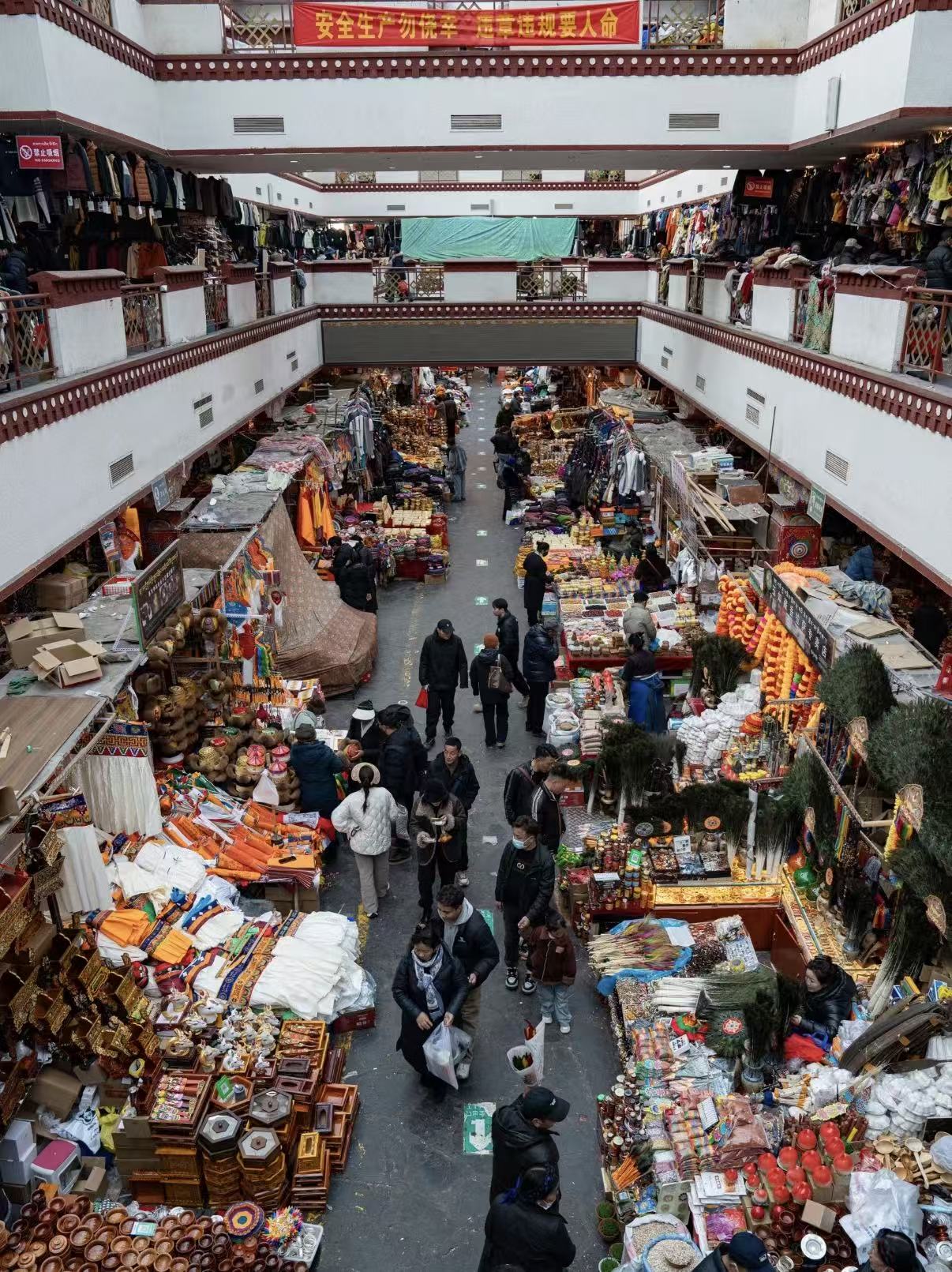
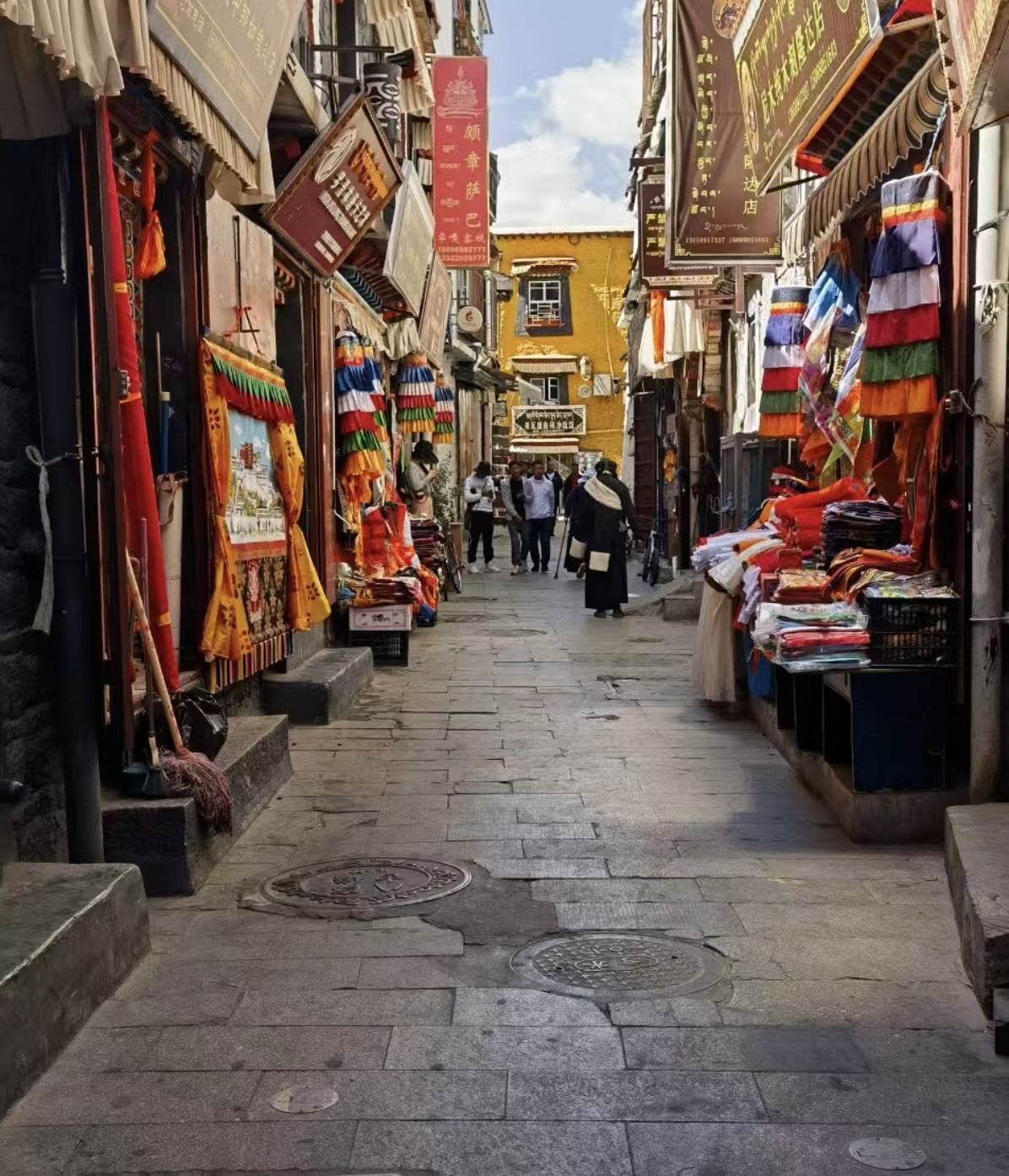
Barkhor Street is where Lhasa first “sets out” the New Year. The stone slabs shine from countless footsteps. Shopfronts overflow with khatas and bright cloth; five-colored prayer flags look especially full-bodied under the plateau light. The stalls lean toward sweetness—dried fruits, sugar cubes, red dates, honey—as if to say: even in the coldest season, life should still taste good.

The voices are part of the festival, too. Tibetan flows like a river—bubbling when it quickens, circling when it slows. Mandarin drops in like clear pebbles. Children’s cheeks are flushed red by the wind, candy clenched in small fists. Young people wear new clothes and walk unhurriedly, as if leaving space in every step for the New Year to settle on its own.

In a Sweet Tea House, Life Warms Up First

If Lhasa’s New Year has a “heart,” it often beats in a sweet tea house. The moment you step in, the fog on the windows wraps around you: cups clink, spoons tap saucers, voices stay low, lively without turning loud. The milk-and-sugar sweetness of the tea is immediate—one sip and winter seems pushed back from your throat.

As the year-end approaches, people talk more here: what to buy, what to cook, who’s coming home, whether the road will be clear. Nothing sounds grand, yet everything feels solid. You begin to understand: the New Year is often less a “celebration” than a “confirmation”—that someone is waiting for you, that you still belong to a warm web of people.

Deep in the Alleys, the New Year Lands on the Threshold

In the residential lanes, doorways look cleaner, as if the New Year has wiped them down. Some families hang new curtains; some clear their courtyards. From kitchens you might catch the scent of fried pastries—rich, hot, satisfying, a smell with weight.

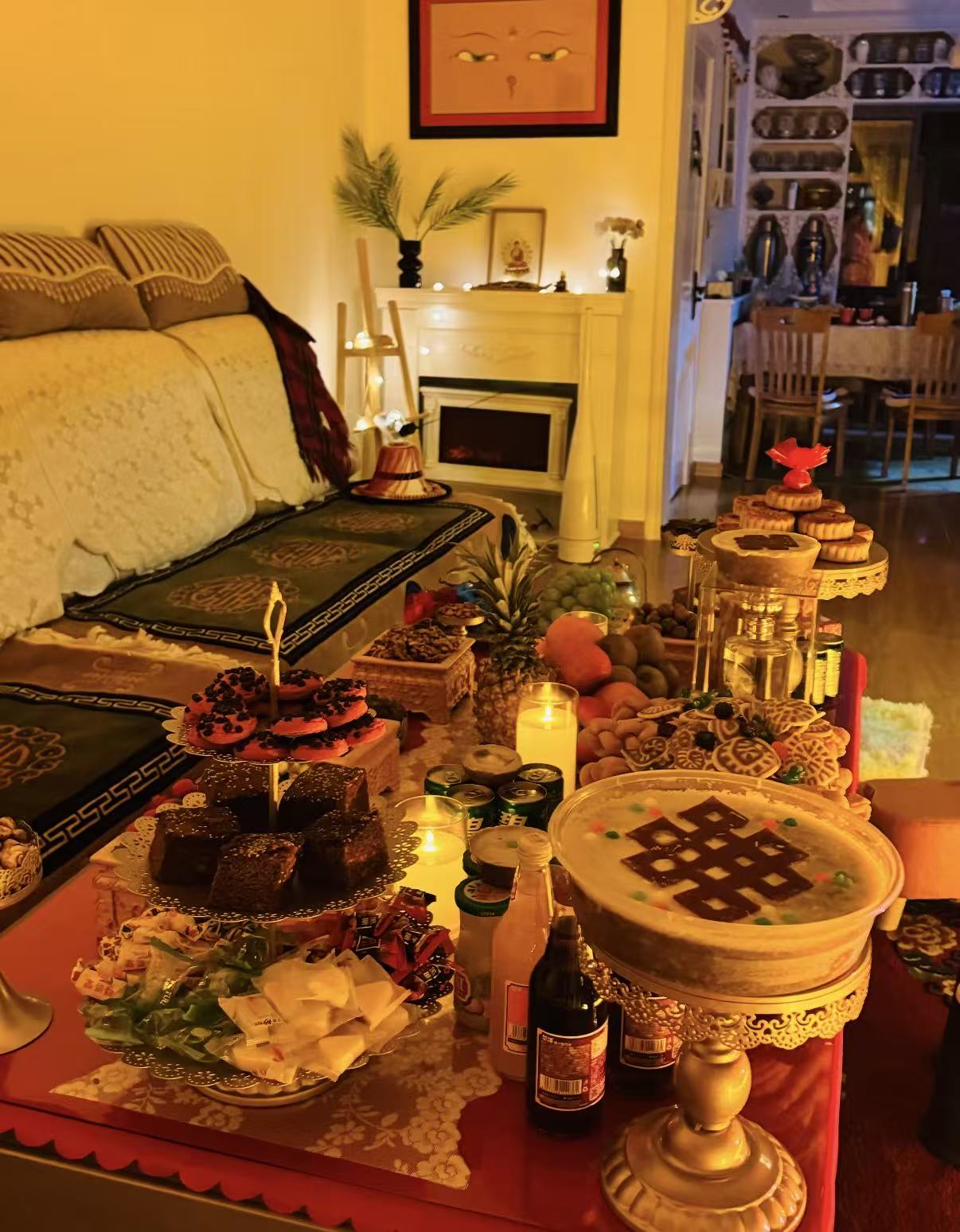
Inside, the brightest place is often the household shrine. Butter lamps burn steadily, a quiet order that says: be festive if you must, but keep your heart settled.

And the kitchen is the most direct source of New Year. The butter tea pot murmurs and bubbles; the aroma of tsampa feels like barley and sunlight kneaded together. No one rushes, yet everyone seems certain—as if once the pot and bowl are right, the New Year will come smoothly through the door.

The Stillness of the Potala Palace Holds Up Human Warmth

Lhasa’s New Year always has the Potala Palace as its backdrop. By day it stands like a silent mountain, steady enough to make you lower your steps. At dusk, when the sun hits the red-and-white walls, it seems to ignite. Walking beneath it, you suddenly feel it: this city’s joy doesn’t rely on noise. It’s supported by a larger stillness—and in that stillness, lamplight and laughter turn warmer.

Epilogue: Like a Butter Lamp, It Glows for a Long Time

New Year’s Eve doesn’t have to be thunderous. Some people go out to see lights and faces; others stay by the stove, peeling candy, topping up tea. The wind keeps knocking outside, but inside the rhythm is slow, warm, and lasting. You hear bowls and chopsticks, and someone says, “Next year will be better,” not dramatically, but with real seriousness.

Lhasa turns the New Year into a kind of light: in the deepest cold, it hides warmth at the core. It’s like a butter lamp—its flame isn’t big, but it can glow for a long time, long enough that even after you’ve gone far away, the warmth still stays with you.

Title

FAQs

When is the best time to visit Lhasa for the strongest New Year atmosphere?

From around the 20th day of the last lunar month, the city starts to feel festive—Barkhor Street, sweet tea houses, and neighborhood lanes become noticeably livelier. The peak usually runs from New Year’s Eve to the third day. If you want the vibe without the biggest crowds, aim for the week leading up to New Year’s Eve.

Is Lhasa very cold during New Year, and what should I wear?

Yes—cold is part of the experience. Expect strong sun in the daytime and knife-like wind in the mornings and evenings. Dress in layers: a thermal base, a fleece/down mid-layer, and a windproof outer shell. A hat, scarf, and gloves matter a lot, and warm non-slip shoes help. Big indoor/outdoor temperature swings make layers especially useful.

What is a “sweet tea house” in Lhasa, and is it worth visiting?

A sweet tea house is one of Lhasa’s most everyday—and warmest—public spaces. With a cup of sweet milk tea and a little conversation, winter feels instantly softer. If you want the “local New Year” feeling, it’s one of the easiest, most authentic places to start.

What etiquette or practical details should I keep in mind when visiting Barkhor Street?

Respect comes first. Avoid close-up face photos of strangers, don’t interrupt pilgrims or people spinning prayer wheels, and follow rules in religious spaces (some areas don’t allow photos). Slow your pace—you’ll notice far more of the city’s quiet details.

Thanks for contacting us. We'll get back to you as soon as possible.

Featured Collection

Lapis Lazuli Wisdom Spiral Bracelet

$129.00

Lapis Lazuli & 925 Silver Celestial Studs

$59.00

Leave a Comment

Your email address will not be published.

Thanks for contacting us. We'll get back to you as soon as possible.