The Four Colors of Tibet: Seeing Faith Through Stone

In Tibet, jewelry is never just about "decoration."

When you walk down Barkhor Street in Lhasa, or brush past a Tibetan elder on a pilgrimage path, you will discover a fervent devotion to "stones" that defines this land. Unlike the urban pursuit of diamond clarity or the weight of gold, the aesthetic of the Snowland is bold, heavy, and profound.

Jewelry here is about color, but more importantly, it is about protection. They represent the blue of the sky, the red of blood, the indigo of the stars, and the mysteries of the gods.

Tibetans believe that wearing these colors is akin to wearing the divinity and protection of nature itself.

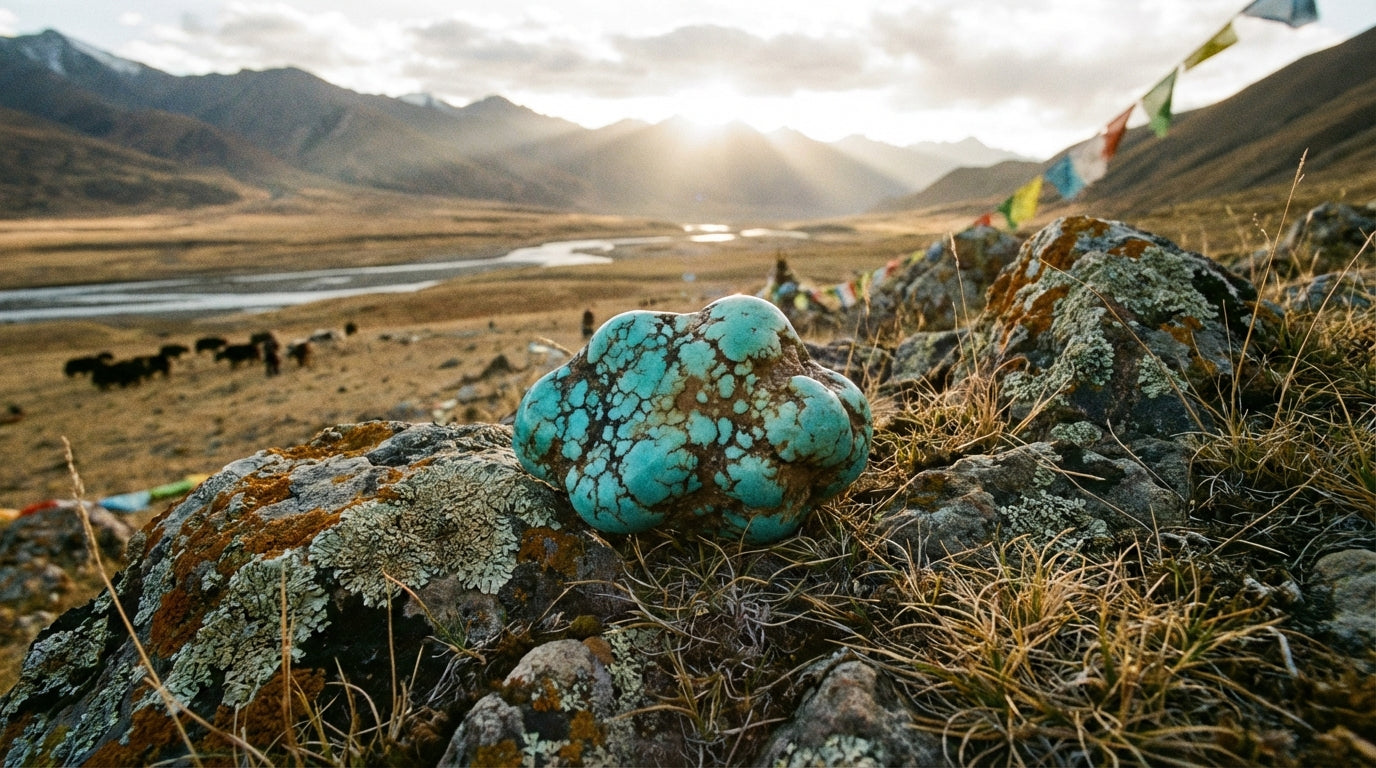
The Sanctuary of the Soul: Turquoise

If Tibet could be represented by only one color, it would undoubtedly be Turquoise.

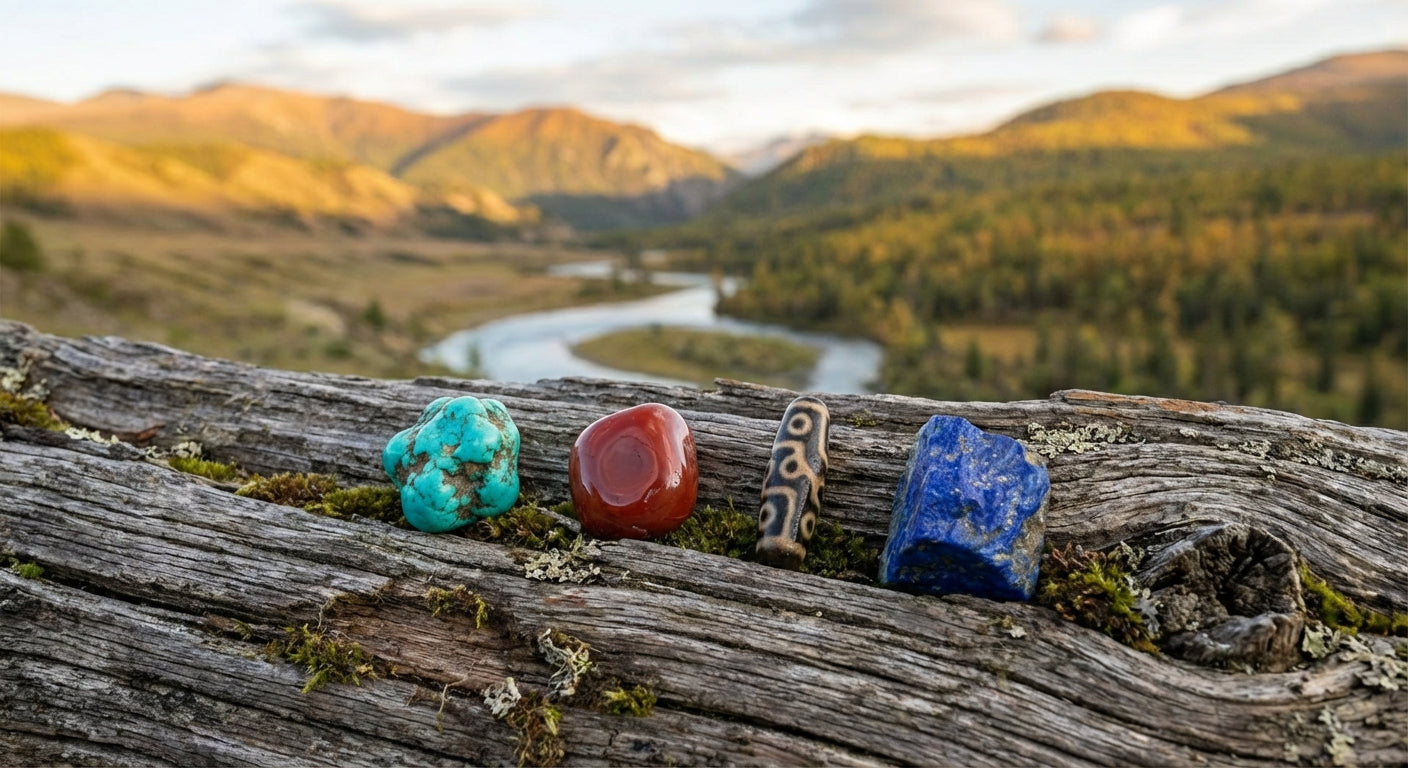
In the Tibetan language, it is called "Yu." Ancient legends hold that turquoise is the dwelling place of the soul. To a Tibetan, a neck without turquoise is like a body without a soul. This gemstone, hovering between blue and green, symbolizes the purest skies and lakes of the high plateau.

The most captivating turquoise is often not the flawless kind, but rather the pieces veined with black matrix (iron lines). To the connoisseur, these lines are not flaws; they are natural textures, resembling the mountain ranges seen from above, or a streak of lightning cracking the sky. To wear it is to seek a vitality and peace that comes directly from nature.

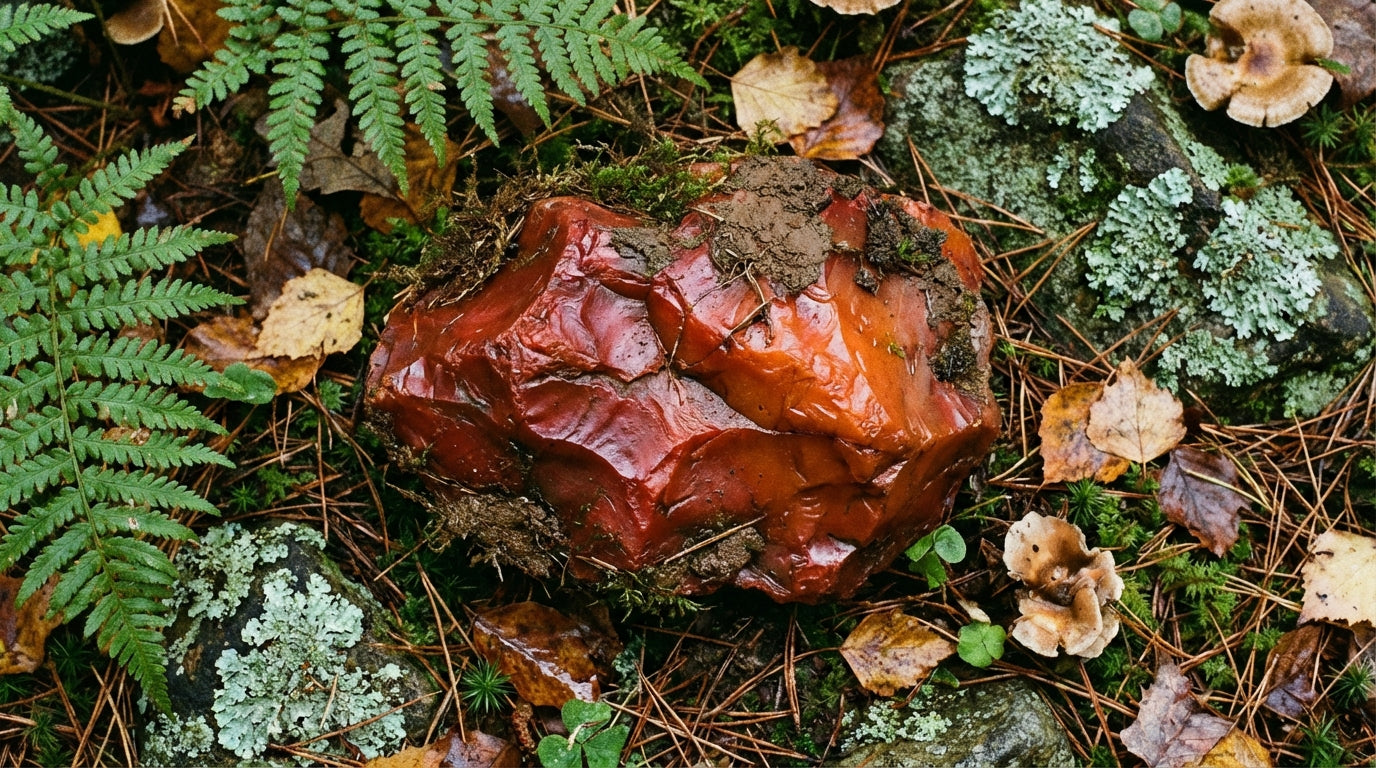
Flowing Red Blood: Southern Red Agate

On the grey-brown canvas of the plateau, nothing is more stirring than a flash of red.

While Red Coral historically represented this color, today, "Southern Red" Agate (Nan Hong)—with its jade-like warmth and composed hue—has become the perfect interpreter of red in Tibetan aesthetics. Unlike the cold transparency of ordinary agate, high-quality Southern Red possesses a unique "waxy" texture; it appears introverted, yet full of latent power.

In Tibetan culture, red symbolizes fire, blood, and vibrant life force. Living in an environment of bitter cold and thin air, people crave this fire-like energy. Wearing a bead of bright Southern Red is believed to regulate vitality and circulation, bringing health and vigor. It is like an unextinguishable fire, warming the wearer’s body and mind.

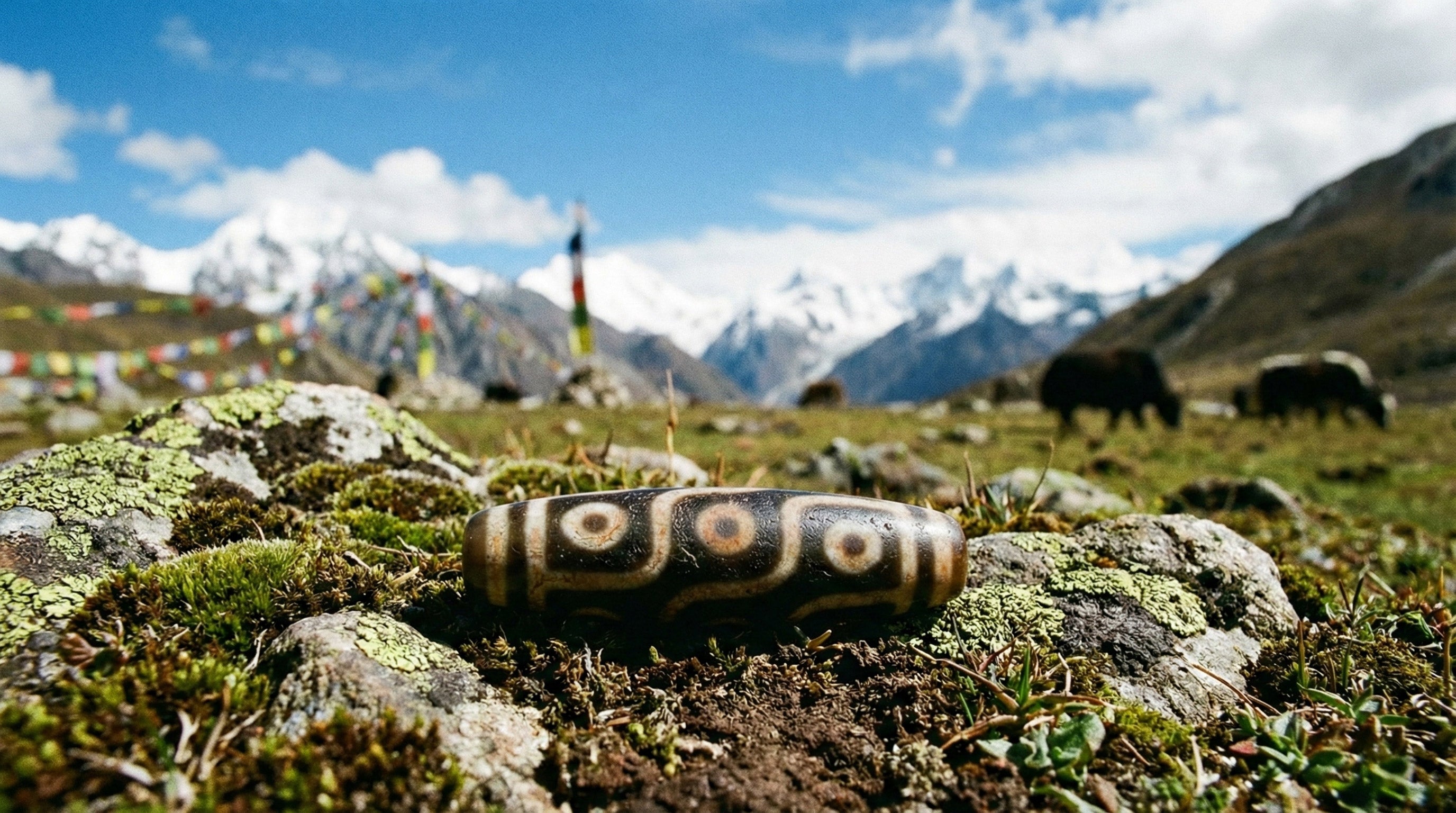
Debris of the Gods: Dzi Beads

Among all Tibetan jewelry, none commands as much mystery and awe as the Dzi bead.

It is known as the "Heaven’s Landing Stone." Tibetan legends whisper that they were originally ornaments of the gods, or perhaps spiritual insects that flew in the sky and fossilized the moment they touched the mortal dust. The eyes and lines upon a Dzi bead are not simple artificial carvings, but are viewed as sacred, natural totems.

Dzi beads are black and white, stark and mysterious. They represent supreme protection. In Tibet, an ancient Dzi bead is often a family heirloom passed down through generations, holding immense value. People believe that Dzi beads possess a powerful magnetic field capable of conquering inner fear and blocking external disasters. Wearing a Dzi is like gaining a "Wisdom Eye" that guards you in the dark.

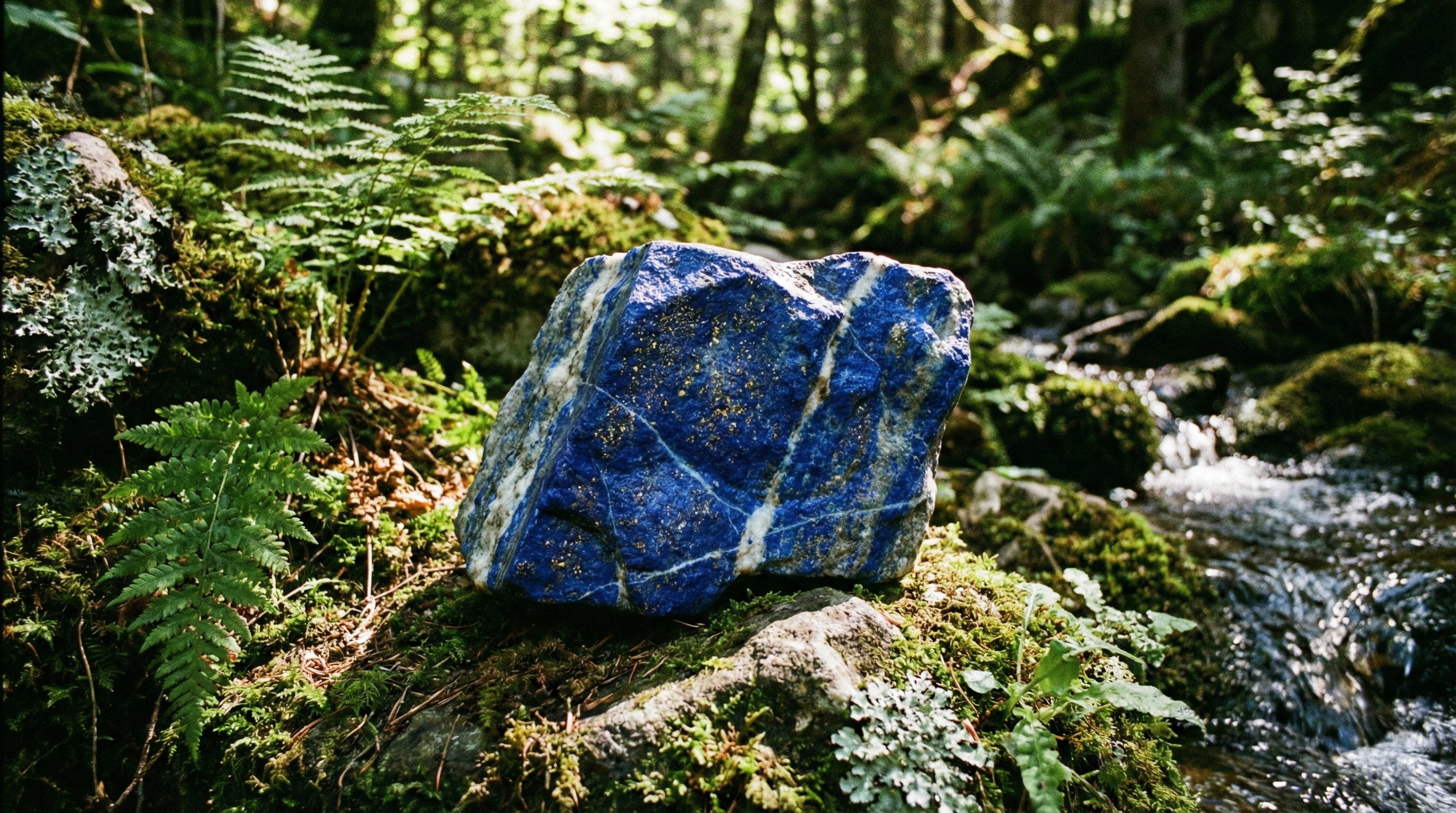
The Deep Blue of the Medicine Buddha: Lapis Lazuli

When you gaze into a high-quality piece of Lapis Lazuli, it feels as though you are staring into the night sky of the plateau—a deep, solemn blue backdrop scattered with golden specks of pyrite, resembling twinkling stars.

This color, known as "Imperial Blue," holds a sacred status in Tibetan Buddhism because it corresponds to the body color of the "Medicine Buddha."

Thus, Lapis Lazuli is endowed with the power of healing and purification. It represents supreme wisdom and inner order. In this restless, noisy era, wearing a string of Lapis Lazuli seems to bring instant calm, helping one find balance within the deep blue silence and praying for physical and mental well-being.

Final Thoughts

The beauty of Tibetan jewelry lies in its "irregularity" and its "mix and match" philosophy.

Tibetans love to string these four stones together: the spiritual agility of Turquoise, the passionate heat of Southern Red, the mystery of Dzi, and the depth of Lapis Lazuli. It is the clash of red and green, the philosophy of black and white, the fusion of heaven and earth.

When you choose a piece of Tibetan jewelry, you are taking away more than just a stone; you are carrying the faith and aesthetics of Tibet that have spanned millennia. You are wearing the mountains, the stars, and the legends of the plateau.

Title

FAQs

Are the black lines on the turquoise considered flaws?

In Tibetan aesthetics, these black lines (known as the "matrix") are definitely not considered flaws; rather, they are unique marks bestowed by nature. As mentioned in the blog, connoisseurs see these textures as resembling mountain ranges viewed from above or lightning cracking the sky. Every piece of turquoise with a matrix is one-of-a-kind, symbolizing authentic vitality from nature. Flawless purity isn't the only standard; natural textures are believed to hold more "soul."

What exactly are Dzi beads? Are they really transformed from "insects" as the legend says?

Dzi beads are shrouded in mystery. According to ancient Tibetan legends, they are indeed believed to be "Heaven’s Landing Stones," or even spiritual insects that fossilized after touching earthly dust. While modern science classifies them as a specific type of agate, in Tibetan culture, the "eyes" and lines on a Dzi bead are viewed as sacred totems rather than simple artificial carvings. They represent supreme protection and are revered as powerful amulets with strong magnetic fields, often passed down as family heirlooms.

Why is Tibetan jewelry often designed with a mix of different colored stones like red, green, and blue?

This reflects the "mix and match" philosophy and the reverence for color in Tibetan aesthetics. Tibetans believe that different colors represent different natural forces: Turquoise stands for the sky and lakes, Southern Red Agate for blood and vitality, and Lapis Lazuli for the stars and wisdom. Stringing them together is not just for visual impact, but to fuse the protection of "Heaven, Earth, Humanity, and Divinity," effectively wearing the entire worldview of the plateau on one's body.

Thanks for contacting us. We'll get back to you as soon as possible.

Featured Collection

Seal of Auspicious Light — Dzi Bead Silver Earrings

$188.00

Handcrafted Turquoise & Sterling Silver Bracelet

$264.60

Leave a Comment

Your email address will not be published.

Thanks for contacting us. We'll get back to you as soon as possible.